Pipelines
Nothing gets replaced. It gets joined up.
A pipeline is the joining-up.
Not a new system. Not a replacement for the ones you have. The connections between them, built so they act as one workflow rather than a handful of islands.
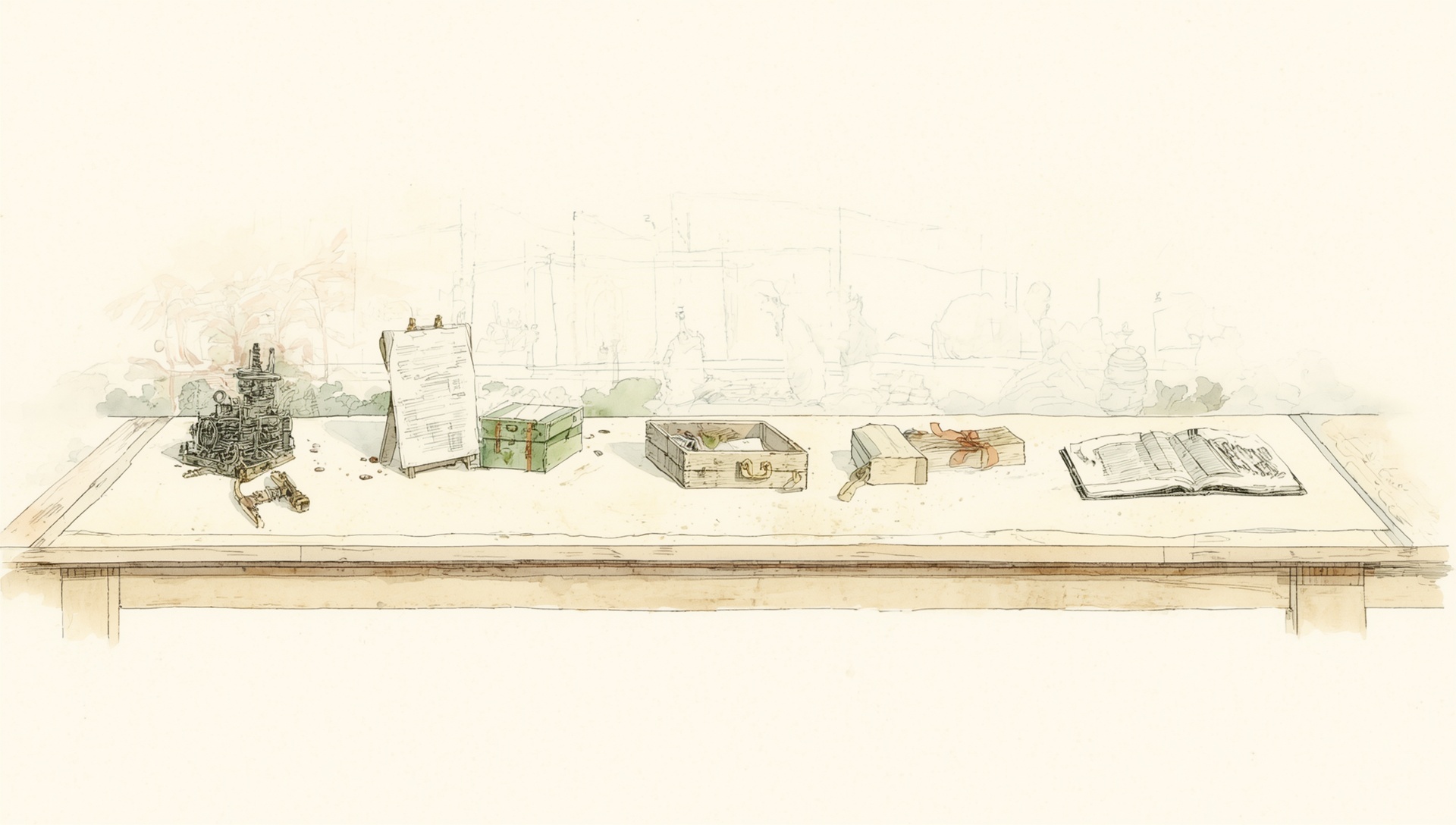
Most businesses grew one useful tool at a time. Each one was the right answer to the problem in front of you, and each one kept the part of the job it cared about. Nothing is wrong with any of them individually. The cost is in the gaps: the same thing held in several places, each version slightly right, and somebody re-typing, exporting and comparing every week to keep them agreeing.
A pipeline closes those gaps. The thing enters once and travels — priced, counted, recorded, published — instead of being keyed in again at every stop. It is built in stages, in the order that pays back first, and you can stop after any one of them and be better off than you were.
Three pipelines, one at a time.
They differ only in what the thing is. Start with whichever describes your week.
Pipeline
Product Pipeline
The thing is a product, and it lives in finance, stock, the image library, sales and on your website — five versions of one item, and the one customers see is the likeliest to be wrong.
See the pagePipeline
Prospect Pipeline
The thing is a person you might sell to, and they live in your inbox, on LinkedIn, in a spreadsheet, in a notebook, on a quote, and eventually in the accounts.
See the pagePipeline
Custom Pipelines
The thing is whatever your business actually runs on — jobs, suppliers, kit, orders, people. Different trade, different words, same problem, and it is fixed the same way.
See the page